
Richard William Tarrant
Monday, May 3rd 1915. 7.11pm
The sun goes down behind the Belgian town of Ypres, the light disappearing first from the bottom of the railway cutting where "A" company of the Dorsetshire regiment had spent the afternoon in dug-outs, cut into the embankment a few hundred yards behind Hill 60. Two days ago they were on the hill, when the Germans attacked with chlorine gas. Today the Devonshires hold it and the men from Dorset sit behind in support.
As dusk brings a blanket of darkness, a newly promoted NCO from Bournemouth has work to do. The communications trench that leads up to the line has been knocked about by two days of shelling and needs to be repaired. He needs to lead a party out to repair it. The NCO is twenty-nine years old, he has a wife and two children at home. He has worn his two stripes for only a short time.
Back in Bournemouth, they call him Bossie.
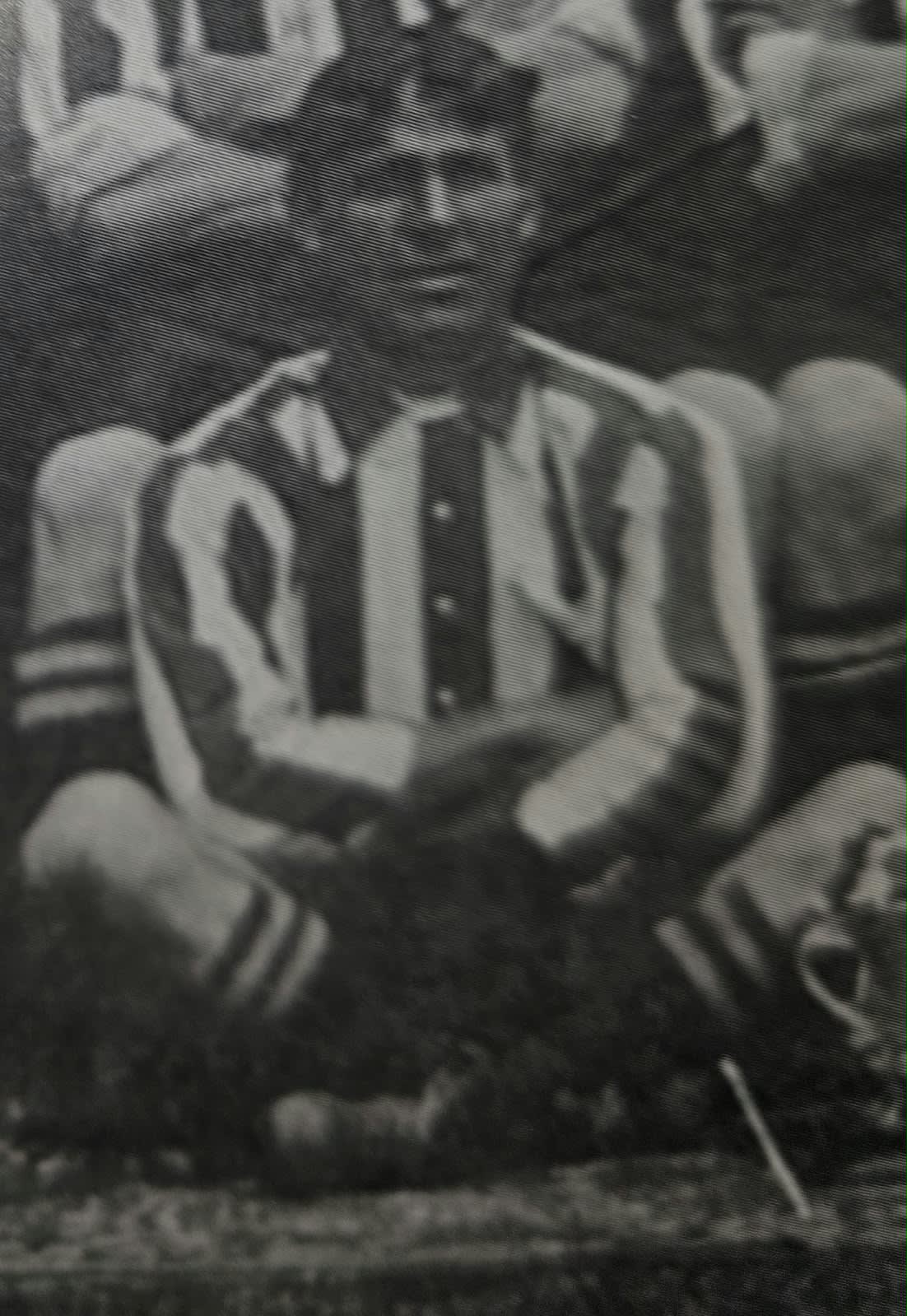
As 1910 drew to a close, Boscombe had just got a ground of their own, on rough land beside King's Park leased to them by J. E. Cooper-Dean in 1910. They named it Dean Court and played their first home game on New Years Eve 1910. Richard "Bossie" Tarrant joined the club shortly afterwards on January 28th 1911. He made his debut in a 3-0 win against Bournemouth Gasworks playing inside-right. By the end of the season he had scored seventeen goals.
"Bossie" Tarrant was a talented footballer and prolific goalscorer, popular with supporters and team-mates alike. The following season, 1911-12 he was to score hat-tricks against Portsmouth, Longfleet and Pokesdown - and five against Eastleigh.
Monday, May 3rd 1915. 7.49pm
Civil twilight ends. There is still enough light to see and to work, but enough darkness to offer cover.
Tarrant and his men file out of the embankment with their tools. Ahead of them, the trench climbs from the cutting towards the hill. Across the railway is the long spoil heap the army calls the Caterpillar, held by the German army and overlooking the British trenches.
In 1913, Bossie starts work at the Bournemouth Tramways company and leaves Boscombe to play for his new employers' works side. After another successful season, he is approached by Southampton and offered professional terms - but he rejects the offer, having a young family to support and the security of work at the Tramways.
When war breaks out, as an army reservist, Richard Tarrant rejoined the forces and headed across the channel. In the autumn of 1914 the 1st Battalion fights at La Bassée, and on 4 November his name appears in The Times among the missing - but he is not lost. He comes back to the battalion, and by spring he is promoted to the rank of Corporal.
Monday, May 3rd 1915. Around 9pm
Tarrant's party work quietly deepening and reinforcing the parapets in the trench. Every spadeful is a noise they can ill afford. The German positions overlook them, only a few hundred yards away.
The Germans open fire. Richard is killed instantly.
His men do not flee. They do not leave him. Overlooked by the German position, they risk their own lives to carry him, the length of five football pitches, away from the front. Richard is laid to rest and his grave marked with a simple wooden cross.
Hill 60, Wednesday May 5th 1915. 8.45am
Two days after the burial, the gas comes again. This time the wind carries it along the British trenches instead of across them, and the hill falls. The ground behind it, where Bossie lies under his wooden cross, becomes the front line. It stays that way for two more years of shelling and mining.
Bournemouth, June 1915
The news reaches the town by letter, to Mr I. Bulfin, manager of the Tramways Corporation who keeps track of every tramwayman serving. A hundred and ten of them have gone. About sixty are at the front. The news is published in the local press.
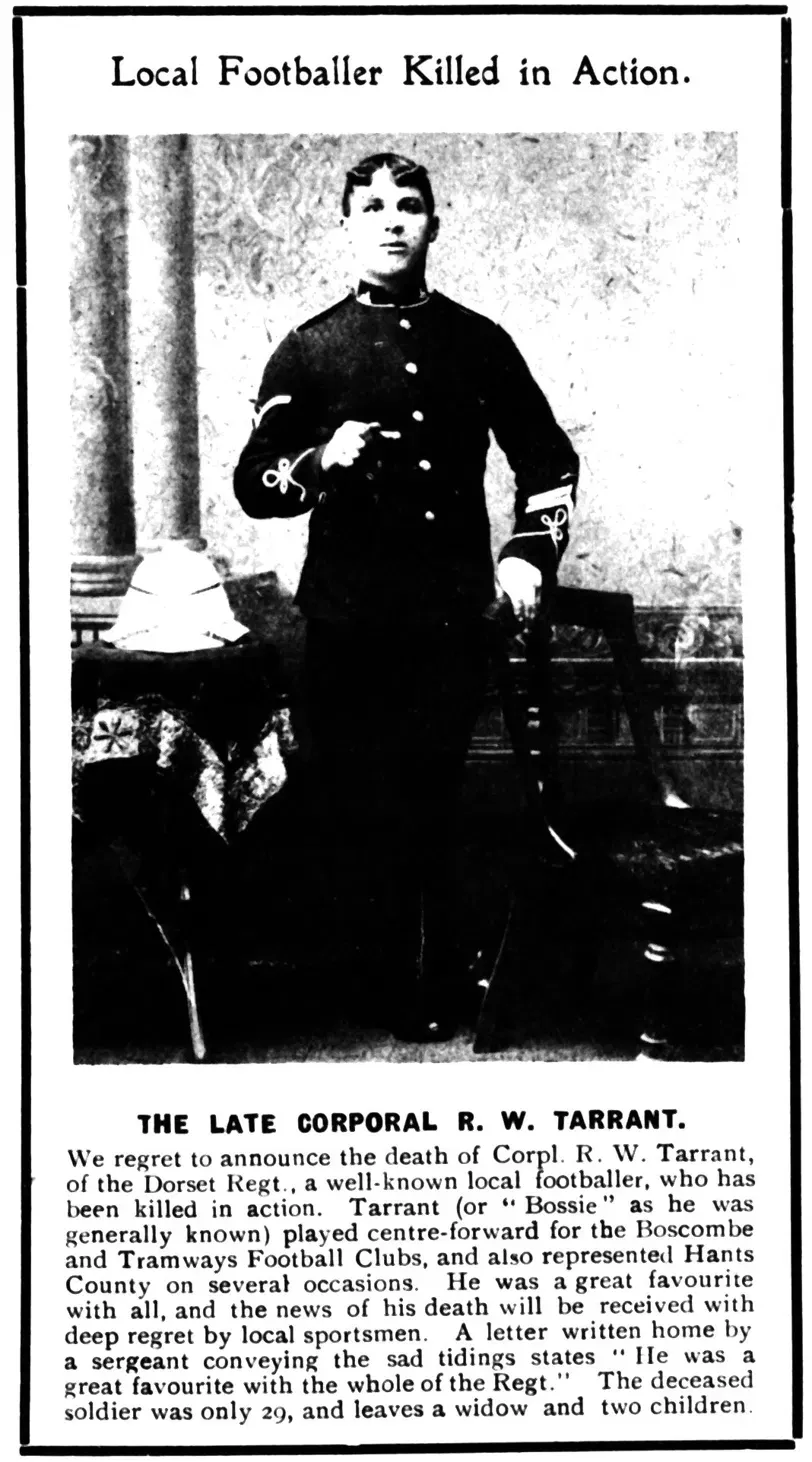
Richard's body was never found and he is commemorated at the Menin Gate, Ypres. The 600 yards he was carried back from the front, is roughly the distance to the Larch Wood cemetery which was started in April 1915. It is possible that Richard is one of the unknown soldiers that rests there.
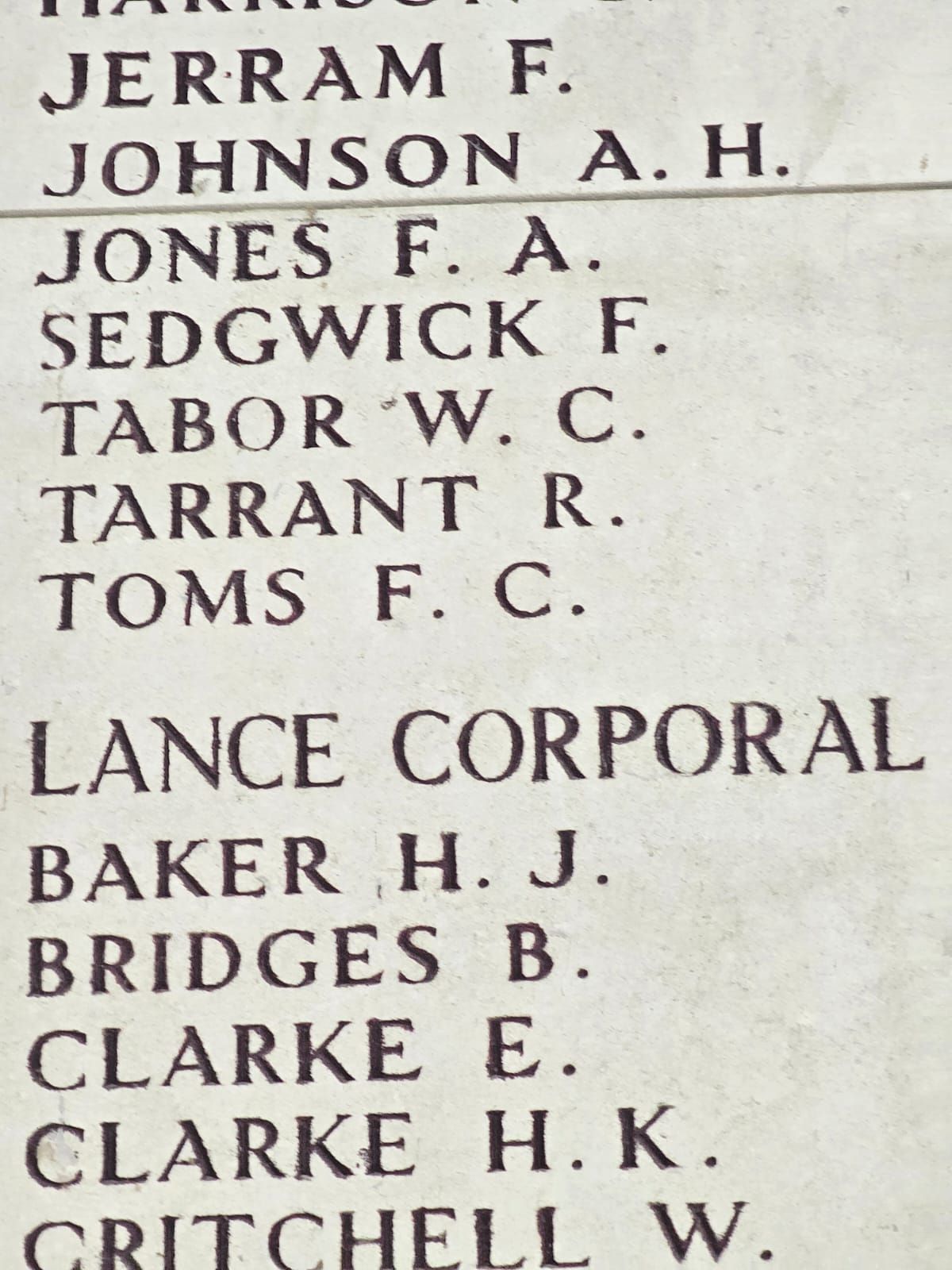
In October 2026, we visited the Menin gate and left a tribute to Richard on behalf of our club and our town.
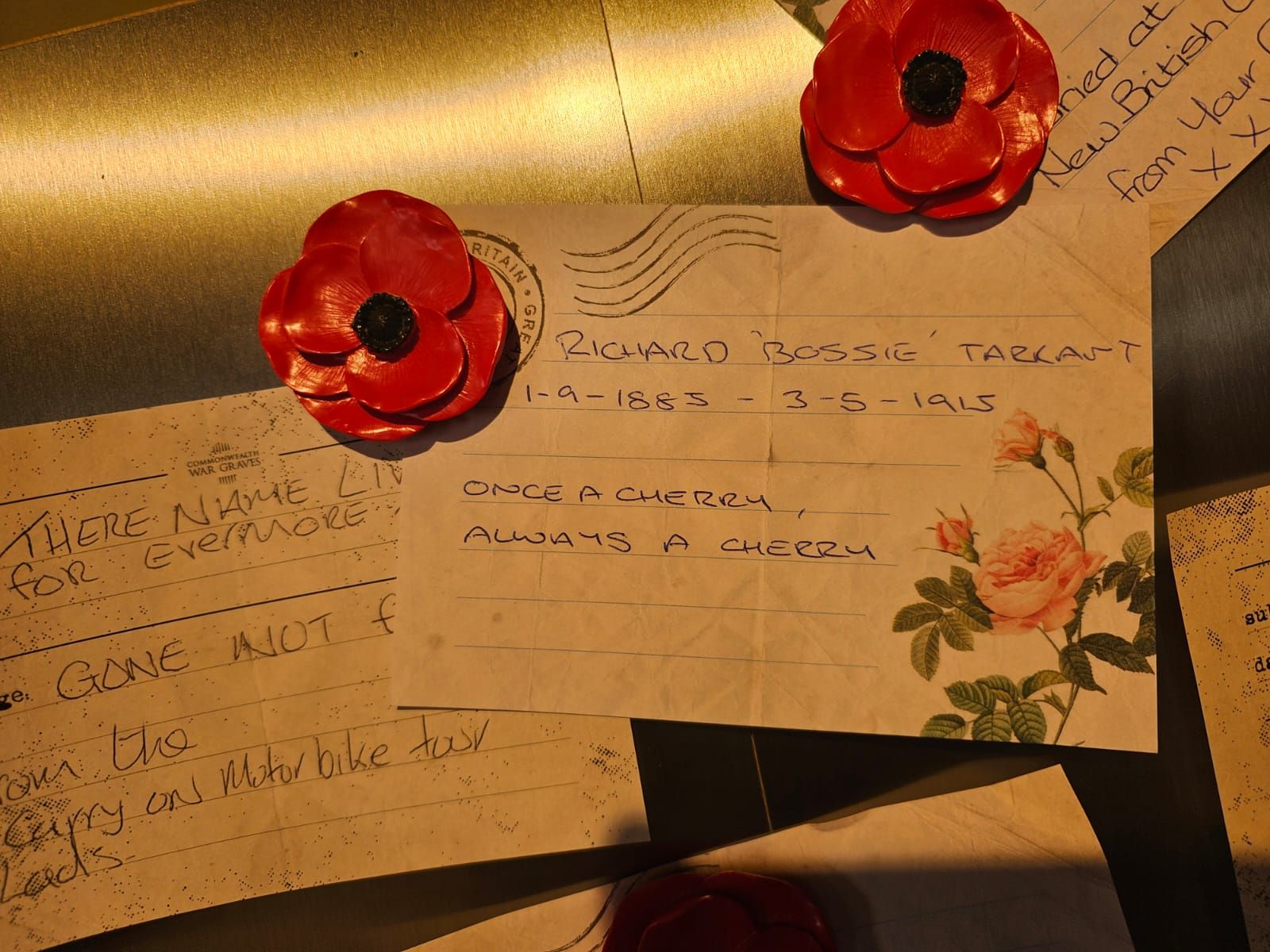
Today, on Remembrance Sunday we remember him.
Once a Cherry, always a Cherry.
Comments (0)
Loading comments…